The Most Radical Thing You Can Do Right Now? Show Up.
By Edie Demas
Scott Galloway’s #resistandunsubscribe February has people canceling their subscriptions in droves. I’m one of them. The impulse is understandable. The realizations I’m having about my family’s financial choices are significant. When corporations make choices that feel misaligned with your values, voting with your wallet feels like one of the few levers of power left to pull.
But today while speaking with Tom (my colleague at TOC Arts Partners), I had a big realization and I’d like to offer a bigger proposal: What if the most meaningful act of resistance isn't just what you cancel, but what you choose instead?
From Algorithm to Auditorium
We've spent years, accelerated dramatically by the pandemic, retreating into our homes for entertainment. This created the perfect vacuum for larger, more insidious media conglomerates to grow. Streaming services promised us everything we wanted, exactly when we wanted it, curated by algorithms that knew our viewing history better than we knew ourselves. Somewhere in that convenience, we lost something fundamental: the experience of being in a room with strangers, laughing together at the same moment, holding our breath in collective anticipation, sitting with difficult emotions side by side.
The streaming model isn't just a delivery mechanism. It's an isolation mechanism. It privatizes culture, turns shared art into individual consumption, and replaces the electricity of live performance with the glow of a screen.
The Economics of Showing Up
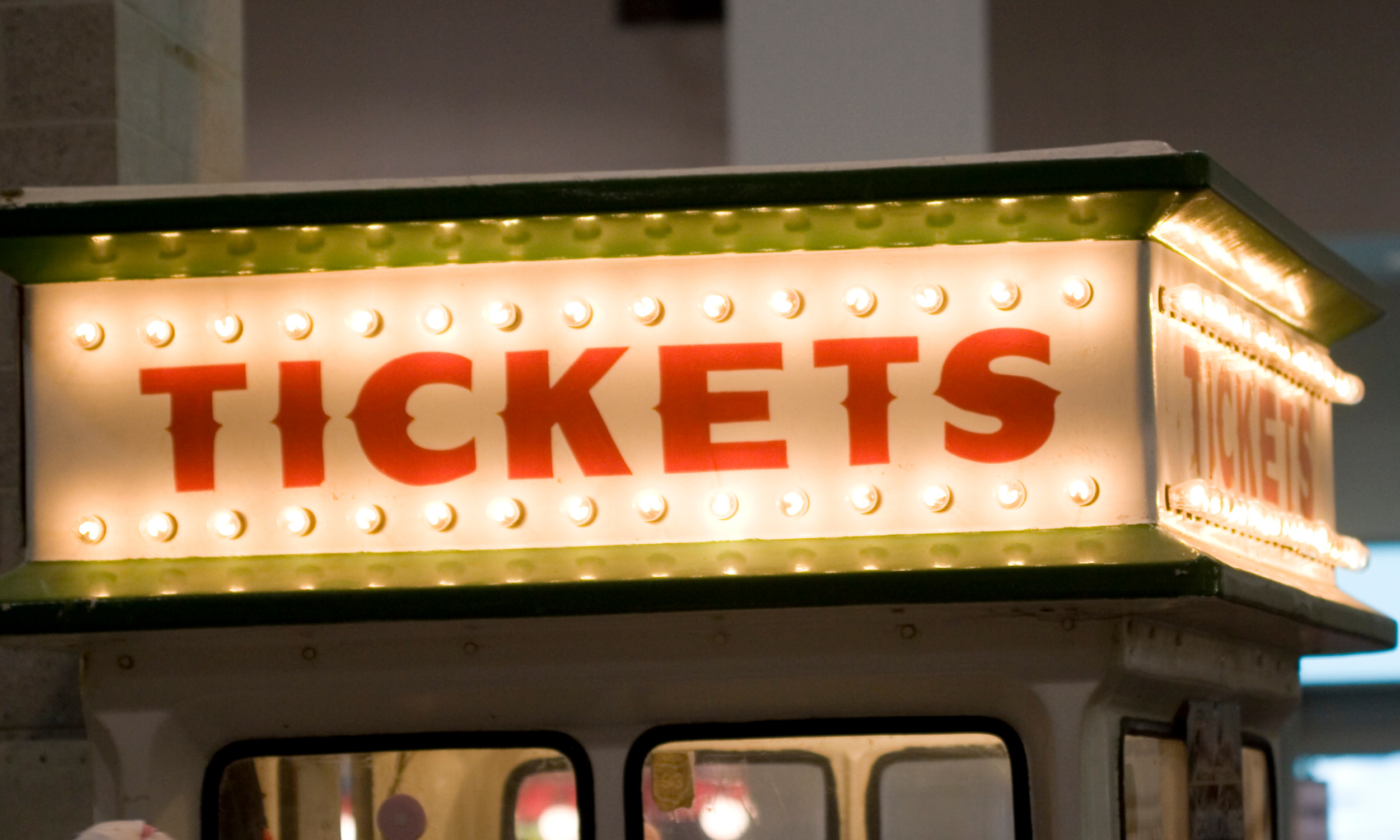
Here's the math that matters: The average American household spends $46-$91 per month on streaming services. Cancel just two subscriptions, and you've freed up money to put towards tickets to your local arthouse cinema, regional theater, or concert venue—often with money left over.
But unlike streaming services that extract value from your community, your ticket to a local cultural event stays local. It pays the teaching artist leading workshops at the youth theater. It keeps the nonprofit arthouse cinema's doors open so they can show independent films that would never get distribution otherwise. It supports the choreographer creating new work, the musicians composing a score, the stage manager, the ushers, the people who make culture happen in your town.
The Politics of Presence
There's something quietly radical about insisting on shared physical experience in an era designed to keep us apart. When you sit in a theater, whether it's watching a documentary or a new play, you're participating in something that can't be optimized, personalized, or algorithmically served. You're subject to surprise. You might see something that challenges you, delights you in unexpected ways, or simply reminds you that other people exist and feel things too.
This matters more than ever. Chris Hayes, the MSNOW host, wrote an entire, very good book on attention capitalism and its impact on our hearts, minds, and our politics, The Sirens’ Call: How Attention Became the World’s Most Endangered Resource. Our democracy depends on our ability to practice being in community with people who aren't exactly like us, to engage with ideas that weren't pre-sorted for our preferences, to remember that we're part of something larger than our individual viewing queues. To remember that we have neighbors, that singular word we keep hearing out of Minneapolis.
The Cultural Ecosystem in Crisis
While we've been streaming, the cultural infrastructure that exists outside our homes has been crumbling. Independent cinemas are closing. Regional theaters are struggling. Dance companies are folding. Not because the work isn't excellent, often it's more daring, more innovative, and certainly more connected to its community than anything you'll find on a streaming platform, but because we've been conditioned to think culture should be cheap, convenient, and consumed alone.
These institutions don't just provide entertainment. They provide gathering spaces, economic engines for their communities, training grounds for artists, homes for all kinds of storytellers and story listeners, and laboratories for new ideas. When they disappear, they mostly don't come back.
What Resistance Actually Looks Like
So yes, cancel your subscriptions if they don't align with your values. That's your right and your choice. But don't stop there.
Take that $50 a month and buy a ticket to something you've never seen before. Go to the arthouse cinema on a Tuesday night. See what your local theater company is producing. Check out the dance performance, the poetry reading, the chamber music concert. Bring a friend, bring your kid, bring yourself.
Will it always be perfect? No. Will you always love what you see? Probably not. But you'll be there, in the room, part of a collective experience that can't be paused, rewound, or skipped. You'll be supporting real people doing real work, IRL as the kids say.
In a moment when so much feels designed to keep us isolated, afraid, and algorithmically sorted, that presence—that showing up—might be the most powerful form of resistance we have. The revolution, it turns out, will not be livestreamed. It will require you to turn off your screen, leave your house, and remember what it feels like to be part of an audience, a community, a culture that exists beyond your living room.
Cancel your subscriptions if you want. But more importantly: show up. Your local arts organizations are waiting for you.
Edie Demas is the Vice President, Organizational Strategy of TOC Arts Partners. Edie has led organizational strategy and change projects for a range of artistic genres and settings, including producing, presenting, and academic institutions; she has also led Executive and Senior leadership searches for a range of organizations and has spent 20+ year in arts leadership across a variety of art forms and settings, ranging from performing arts venues to festivals to community and academic/school environments.